
Create the Right Experience in Business with Commercial Interior Design
Creating the right experience in your business is no longer a “nice to have” – it is a strategic necessity. Commercial interior design sits at the heart of this, shaping how customers feel, how staff perform, and how your brand is perceived the moment someone walks through the door. Thoughtful design does far more than make a space look attractive; it creates a purposeful environment that supports your commercial goals.
Consider how quickly people form impressions. Within seconds, clients and customers are already deciding whether they trust your brand, whether they feel comfortable, and whether they want to stay. The layout, lighting, acoustics, furnishings and even wayfinding all contribute to this split-second judgement. A strategic approach to commercial interiors ensures these design elements are working together to deliver a clear, consistent message about who you are and what you stand for.
This is where professional design becomes a competitive advantage. By analysing how your space is used – how people move, where bottlenecks form, where conversations happen, and where focus is needed – a commercial interior designer can align your environment with your operational needs. That might mean zoning your space for different activities, improving sightlines to key products or services, or introducing flexible areas that can adapt as your business grows and evolves. The result is a space that not only looks cohesive but actively supports productivity, sales and customer satisfaction.
A well-crafted interior also has a tangible impact on staff wellbeing and retention. Natural light, ergonomic furniture, access to quiet areas, and considered use of colour and materials all help create a workplace where people feel valued and energised. In turn, they are more likely to perform at their best, offer a higher standard of service, and embody your brand values in every interaction.
Most importantly, strategic commercial interior design ensures every design decision is anchored in your brand story. From the reception area to meeting rooms and breakout spaces, your environment becomes a physical expression of your identity. This consistency builds trust, reinforces your message, and differentiates you from competitors who still treat interiors as an afterthought.
In a market where experience drives loyalty, investing in the right commercial interior design is one of the most effective ways to influence how people think, feel and act in your space. When done strategically, it is not just about making your business look better – it is about making your business work better.
Why the Right Experience Matters More Than Ever in Business
Create the Right Experience in Business with Commercial Interior Design, customer experience, branded environments, experiential design, business ambience, workplace design
In a world where customers can compare products, prices and reviews in seconds, experience has become your most powerful competitive advantage. People no longer choose a brand purely on what it sells, but on how it makes them feel. That means every interaction – from the moment someone sees your front door to the way your reception sounds, smells and flows – is now part of your business strategy, not an afterthought.
This is where commercial interior design steps in as a serious business tool. When you create the right experience in business with commercial interior design, you’re not just choosing colours and furniture; you’re shaping how customers think, behave and remember you. Thoughtful workplace design and customer-facing spaces can turn a forgettable visit into a branded experience that strengthens loyalty, drives recommendations and, ultimately, increases revenue.
Branded environments and experiential design bring your brand values off the page and into the real world. Instead of your identity living only in a logo or a website, it’s expressed in your business ambience – the layout that encourages exploration, the materials that communicate quality, the lighting that sets the tone, and the subtle cues that guide people effortlessly through your space. When these elements are aligned, every visit reinforces who you are and why you’re different.
Customer experience is now the deciding factor in whether people stay, spend and return. If your interiors are dated, confusing or generic, you’re silently sending a message that your brand is, too. By contrast, an intelligently designed space shows that you are invested in your customers, your team and your future. It signals professionalism, builds trust and makes it easy for people to choose you over the competition.
In short, the right experience is no longer a “nice to have” – it’s how successful businesses compete and grow. Investing in commercial interior design and experiential, branded environments isn’t about vanity; it’s about ensuring every square metre of your business works harder to attract, engage and retain the people who matter most.
What is Commercial Interior Design – And How Does It Shape Business Perception?
commercial interior design definition, business interiors, brand-led interiors, interior branding, first impressions, customer perception, professional image
Commercial interior design is far more than “making a place look nice”. At its core, the commercial interior design definition is the strategic planning and styling of business interiors so that every element – from layout and lighting to colour, materials and signage – works together to support your brand and your commercial goals. It is where aesthetics, psychology and business strategy meet.
Walk into any space and your brain starts forming judgements in seconds. That is why first impressions are so critical. Clients, customers and staff will decide how professional, trustworthy and credible your business feels long before they see a brochure or read a case study. Well-considered, brand-led interiors take control of that moment. They guide what people feel, notice and remember as soon as they cross the threshold.
This is where interior branding comes in. Brand-led interiors translate your visual identity, values and personality into three dimensions: the colours on the walls, the textures underfoot, the way your reception desk greets you, the lighting over a product display, even the acoustics and scent in the air. Done well, these elements tell a clear story about who you are. A law firm might lean into calm, refined finishes that signal discretion and authority; a tech start-up may choose flexible, collaborative spaces with bold graphics that express innovation and energy. In each case, the environment becomes a powerful, silent ambassador for the brand.
Because commercial interior design is so closely tied to customer perception, it directly shapes your professional image. A tired, mismatched or confusing space can suggest that a business is disorganised, out of touch or indifferent to detail – even if the service is excellent. In contrast, a cohesive, purposeful interior reassures visitors that you are capable, considered and current. It shows that you value their experience and take pride in your work.
Ultimately, commercial interior design is not a cosmetic extra; it is a strategic tool. By investing in carefully planned business interiors and thoughtful interior branding, you influence how people feel about your organisation at every touchpoint – and that perception can be the difference between someone walking away, or choosing to work with you.
Translating Your Brand into a Physical Space
Your premises are more than four walls and a fit-out; they are a three-dimensional expression of who you are as a business. When you treat your interiors as a genuine extension of your brand identity, every visit becomes an opportunity to deepen trust, loyalty and recognition.
Start by understanding your brand identity in interiors. Ask what your brand sounds, feels and behaves like – then translate that into materials, textures, lighting and layout. A calm, considered brand might lean towards soft finishes, warm lighting and generous space between touchpoints. A bold, disruptive brand could be better reflected in strong lines, contrasting surfaces and dramatic focal points. Branded spaces should instantly communicate your personality before a single member of staff says a word.
Brand colours in design play a crucial role, but they don’t need to appear on every surface. The most effective commercial interiors use colour with intention: a signature hue on a feature wall, upholstery, joinery or wayfinding creates a visual link to your logo and marketing without overwhelming the space. Supporting tones can be drawn from your wider palette to give depth and sophistication, ensuring the environment feels branded yet timeless rather than gimmicky.
Your logo and signage are the most obvious brand markers, but they work best when integrated seamlessly rather than simply ‘stuck on’. Consider how your logo appears at each stage of the journey: external fascia, reception desk, lift lobbies, meeting rooms and point-of-sale areas. Quality materials, appropriate scale and good lighting all reinforce credibility. Clear, well-designed signage not only guides people intuitively; it also signals that you care about detail and user comfort.
To create the right experience in business with commercial interior design, you must think beyond visuals and into behaviour. How do you want people to move, pause and interact? A hospitality venue might prioritise intimacy and atmosphere, while a professional services office may focus on clarity, calm and confidentiality. The spatial planning, acoustics, scent and even the feel of door handles and table edges all contribute to a consistent brand experience that visitors may not consciously notice but will definitely remember.
Storytelling through design is where your space becomes truly persuasive. Instead of generic artwork and off-the-shelf furniture, use your history, values and mission as design cues. Display curated artefacts, case studies or process visuals that show what you do and why it matters. Use environmental graphics and wall messages to share your story in a subtle, engaging way along key routes. The aim is to let people discover who you are as they navigate the space, reinforcing your narrative at every step.
Ultimately, a well-executed branded interior aligns every element – from layout and lighting to brand colours and signage – so that customers and staff feel they are “inside” your brand, not just visiting a location. When your physical environment consistently reflects your identity and values, it works silently but powerfully to convince people they are in exactly the right place.
Designing for Your Ideal Customer Journey
Designing for your ideal customer journey starts long before someone reaches the till – and often before they even step through the door. Customer journey mapping allows you to visualise every step a person takes, from first impressions outside your premises to how they move, pause and interact inside. When you design with this journey in mind, every detail of the environment begins to work together to guide, reassure and gently encourage the behaviour you want: browsing, exploring, and ultimately, buying.
Think of customer flow as the backbone of your interior. If people are constantly bumping into each other, missing key displays or feeling unsure where to go next, they won’t stay long. Clever wayfinding design – clear sightlines, simple signage, distinct zones and intuitive layouts – helps customers move naturally through the space without having to think too hard about it. When the layout makes sense on an instinctive level, visitors feel in control, relaxed and more open to discovery.
Customer-centric interiors are designed around how people actually behave, not how we wish they would. That means placing popular items where they are easy to find, using lighting and materials to draw attention to high-margin products, and creating logical progressions from one area to the next. It also means removing friction wherever possible: keeping pathways clear, placing help points where questions typically arise, and ensuring that key services – fitting rooms, payment points, collections – are obvious and accessible.
First impressions are critical, which is why creating welcoming entrances deserves particular focus. The threshold should feel open, inviting and easy to understand at a glance. Good lighting, clear views into the space, and a simple cue about where to head first all help people feel at ease. Subtle prompts – a well-positioned display, a friendly service counter in sight, or a clear hero message – can gently orient visitors without overwhelming them.
When customers feel comfortable and unhurried, dwell time naturally increases. And with longer dwell time comes greater engagement and stronger commercial results. Comfort and convenience are not “nice to haves” – they are core drivers of behaviour. Thoughtful seating, places to pause with a clear purpose, intuitive access to facilities, and a sense of calm rather than clutter all encourage people to stay a little longer, explore a little further and spend a little more.
Designing for your ideal customer journey is not about imposing a rigid path, but about removing barriers and adding subtle cues so that the experience feels effortless. By combining customer journey mapping with well-planned customer flow, effective wayfinding design, intuitive layouts and genuinely customer-centric interiors, you create a space that works with your visitors’ instincts, not against them. The result is an environment where people feel welcomed, supported and understood – and where your brand and your bottom line both benefit.
The Psychology of Space: How Design Influences Mood, Behaviour and Sales
The way a space looks, sounds and feels is never neutral. From the moment someone walks through the door, their brain is unconsciously assessing light levels, colours, noise, and layout – and those subtle cues powerfully influence mood, behaviour and, ultimately, spending. This is the essence of environmental psychology: the study of how our surroundings shape how we think, feel and act.
Lighting design is one of the most immediate levers you can pull. Bright, cool lighting tends to increase alertness and can support productivity and wellbeing in workplaces, making people feel focused and energised. Softer, warmer lighting lowers arousal, creating a sense of intimacy that works beautifully in hospitality settings. In retail psychology, targeted lighting can highlight key products, draw customers deeper into the store and even slow their walking pace so they spend more time browsing.
Colour psychology works in tandem with light. Blues and greens are often associated with calm, trust and clarity – ideal for offices, clinics and spaces where you want people to feel safe and focused. Warmer hues such as reds and oranges are more stimulating and can encourage impulse decisions and social interaction, playing a strong role in both retail and hospitality atmosphere. The right palette can subtly nudge customers to linger longer, spend more, or feel more comfortable returning.
Acoustics are just as critical as what we see. Excessive noise raises stress levels and undermines concentration, damaging productivity and wellbeing in workplaces and making restaurants or hotels feel chaotic rather than lively. Thoughtful acoustic treatment – from soft furnishings and baffles to sound masking – can create a controlled soundscape that supports the intended experience, whether that’s quiet focus in a co-working hub or a pleasant buzz in a bar.
Spatial layout ties everything together. Clear sightlines and intuitive circulation reduce cognitive load, meaning people don’t have to work hard to understand where to go or what to do. In a retail context, layout can guide customers past high-margin products and create natural pauses where they’re more likely to engage, try and buy. In hospitality, layout sets the tone: tightly packed tables increase energy and turnover, while more generous spacing encourages guests to relax, order another drink and stay longer.
When lighting design, colour psychology, acoustics and spatial layout are aligned, you create an environment that quietly does the selling for you. Customers feel at ease, staff feel supported, and both productivity and wellbeing improve. That is the real power of design grounded in environmental psychology: it doesn’t just make a place look good – it makes it work better for people, and for your bottom line.
Creating the Right Experience in Different Commercial Sectors
Creating the right experience in different commercial sectors is about far more than choosing attractive finishes or on-trend colours. It is about understanding how people behave in a space, what they need from it, and how interior design can quietly guide them towards the outcomes you want: better productivity, higher sales, greater comfort, stronger trust, and lasting loyalty. Thoughtful, sector-specific design strategies ensure that each environment not only looks the part, but actively supports the purpose of the business.
In office interior design, the priority is to create a workplace that helps people do their best work. That might mean carefully planned layouts that balance focused work areas with collaborative zones, acoustic solutions that reduce distraction, and ergonomic furniture that supports wellbeing. A well-designed office improves staff morale, productivity and retention – and it also tells clients a powerful story about your brand the moment they walk through the door.
Retail interior design is driven by movement, emotion and decision-making. The right layout, lighting, signage and product placement can significantly increase dwell time and average spend. From the moment a customer steps in, the space should signal what the brand stands for, make navigation instinctive, and gently guide people through a curated journey. Considered design details – from fitting rooms to checkout areas – can be the difference between a one-off purchase and a lifelong relationship with your brand.
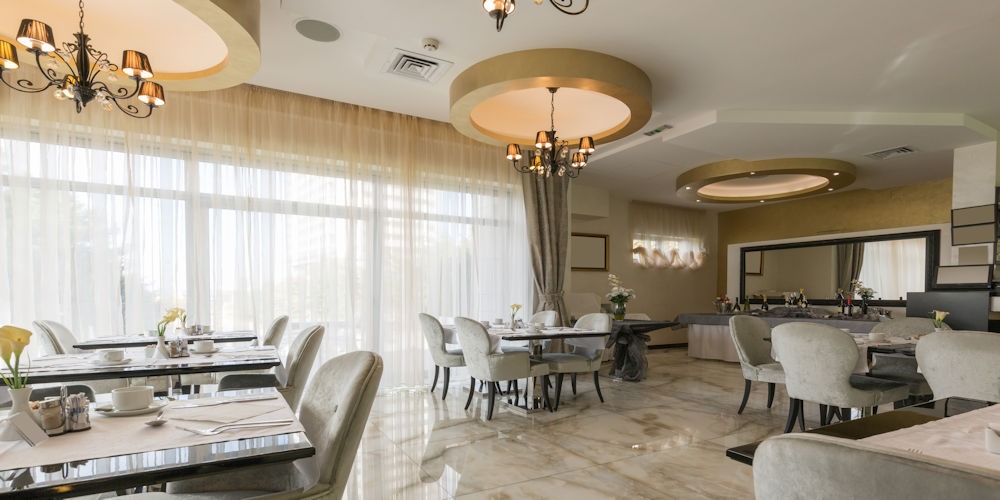
Hospitality interiors demand a careful balance of atmosphere, comfort and operational efficiency. In restaurant design, every element contributes to the dining experience: the route from entrance to table, the spacing between seats, the acoustics, the lighting levels and the visual connection to the kitchen or bar. Guests should feel at ease, looked after and immersed in the character of the venue. Hotel design goes a step further, creating an end-to-end experience from lobby to guest room. Reception areas must feel welcoming and intuitive, while bedrooms need to feel both restful and practical, with smart storage, lighting and technology that support real-world guest needs rather than just ticking aesthetic boxes.
Healthcare environments require a fundamentally different approach. Here, design decisions can influence stress levels, recovery rates and trust in the care being provided. Natural light, clear wayfinding, calming colour palettes and intuitive layouts all help patients and visitors feel more at ease. Materials and finishes must meet strict standards for hygiene and durability, but that does not mean these settings have to feel clinical or cold. Sensitive interior design can bring warmth and dignity to healthcare spaces, helping staff to work efficiently while supporting patient wellbeing at every step.
Educational spaces must support concentration, curiosity and collaboration. Good design can make classrooms more flexible, circulation spaces safer and more intuitive, and shared areas more conducive to social interaction and informal learning. Acoustic control, appropriate furniture, robust finishes and age-appropriate colours all play a role. When educational environments are thoughtfully planned, they help students feel secure and engaged, while giving teachers the tools they need to deliver their best.
What unites all of these sectors is the need for tailored, sector-specific design strategies. A successful office interior design will not necessarily work in a retail setting, just as a hospitality concept cannot simply be transplanted into healthcare or education. Each environment has its own patterns of use, regulatory requirements and emotional expectations. By taking the time to understand these nuances, and by designing purposefully for them, you create interiors that do more than look attractive: they work hard for your business, your staff and your customers every single day.
Workplace Interiors that Attract Talent and Improve Performance
In a competitive labour market, your workplace interior is no longer just “somewhere to sit”; it is a strategic tool for talent attraction and retention and a powerful driver of performance. Modern workplace design recognises that people work in different ways throughout the day and that the office must earn the commute by offering something better than a kitchen table and a laptop.
This starts with a thoughtful approach to hybrid working spaces. When employees split their time between home and office, the physical workplace needs to support what is hardest to do remotely: high-quality collaboration, meaningful connection and deep focus. Flexible layouts, bookable desks and technology-enabled meeting rooms allow people to move seamlessly between virtual and in-person work, so the office feels like an enabler, not an obligation.
Within this, distinct collaboration zones are essential. These are areas intentionally designed for teams to share ideas, solve problems and work together in real time. Comfortable seating, writable walls, large screens and good acoustics signal that discussion and creativity are welcome here. When people have appealing, well-equipped collaboration zones, meetings become more productive and energising, which in turn improves performance and project outcomes.
Equally important are focus areas. High performers need predictable access to quiet, low-distraction spaces for tasks that demand concentration. This might mean acoustic pods, library-style rooms, or screened desks with clear etiquette around noise and interruptions. When employees can choose a dedicated focus area for demanding work, you reduce errors, increase efficiency and support healthier working patterns, especially for neurodivergent staff who may be more sensitive to their environment.
Breakout spaces provide the third critical layer. These informal, relaxed areas are where people decompress, connect socially and think more freely. Far from being a “nice-to-have”, they support staff wellbeing and spark the kind of serendipitous conversations that lead to fresh ideas and cross-team collaboration. When employees feel they have permission to step away from their screens and reset, they tend to return more engaged, creative and resilient.
Staff wellbeing must run through every design decision. Natural light, comfortable and ergonomically sound furniture, clear sightlines, and intuitive wayfinding all contribute to a sense of calm and control. Incorporating biophilic design – natural materials, greenery, views of nature, and organic forms – has been shown to reduce stress, improve mood and even enhance cognitive performance. A workspace that visibly cares for health and comfort sends a strong message about your culture, reinforcing that people are valued rather than simply “resources”.
All of these elements work together to support talent attraction and retention. Candidates now actively assess the quality of workplace interiors when deciding between offers. A modern workplace design that combines well-planned hybrid working spaces, vibrant collaboration zones, quiet focus areas and restorative breakout spaces signals a progressive, people-centred organisation. Existing employees, in turn, are more likely to feel proud of their environment, more engaged in their work and more inclined to build a long-term career with you.
In short, investing in workplace interiors is not a cosmetic exercise. It is a tangible, visible commitment to how your people work and feel every day. Get it right, and you create an environment that draws in top talent, supports exceptional performance and strengthens your reputation as an employer of choice.
Key Elements of Effective Commercial Interior Design
Effective commercial interior design is never accidental; it is the result of carefully considered choices that work together to support people, performance and brand. At the heart of any successful space lies intelligent space planning. This means thinking through how people actually move, work and interact, and then arranging zones to minimise bottlenecks, encourage collaboration where it’s needed and preserve quiet where focus matters. Circulation routes, sightlines and adjacencies are mapped with purpose so that every square metre is doing a job, whether that’s welcoming clients, supporting teamwork or enabling back-of-house efficiency.
Once the layout is right, furniture selection becomes critical. The wrong furniture can undermine even the best plan, while the right pieces subtly reinforce your culture and objectives. Flexible, modular furniture allows spaces to adapt to changing team sizes and workstyles. Quality task chairs and height-adjustable desks support ergonomics, reducing fatigue and the risk of workplace injuries. In customer-facing areas, furniture communicates brand values immediately: refined, timeless pieces suggest stability and trust; bold, contemporary designs hint at innovation and agility.
Materials and finishes are not just about appearances; they influence acoustics, durability, maintenance and even wellbeing. Hard, reflective surfaces may look sleek but can create echo and noise, while the right combination of acoustic panels, textiles and soft finishes will control sound and increase comfort. Choosing robust, easy-to-clean surfaces in high-traffic zones protects your investment and keeps your environment professional for longer. At the same time, natural materials and biophilic finishes can reduce stress and help occupants feel more grounded and engaged.
Lighting schemes can transform a space more dramatically than almost any other element. Effective commercial design goes beyond generic overhead lighting and uses a layered approach: ambient lighting for overall visibility, task lighting for focused work, and accent lighting to highlight features and create atmosphere. Good lighting design takes into account natural light, glare control and colour temperature, supporting circadian rhythms and reducing eye strain. The result is a space that feels both energising and comfortable throughout the day.
Storage solutions are often overlooked but they are a hallmark of a truly functional interior. Cluttered desks and corridors quickly erode professionalism and focus. Integrated storage – from built-in cabinetry and lockers to clever, discreet units within meeting rooms – keeps essential items close at hand while maintaining visual calm. Well-planned storage supports agile working, hot-desking and hybrid patterns, allowing people to move freely without sacrificing organisation.
Modern commercial interiors also demand thoughtful technology integration. Visible cables, ad-hoc screens and improvised charging points make a space feel dated and disjointed. By planning for AV systems, power access, data points and wireless infrastructure from the outset, you can create seamless environments where presentations, hybrid meetings and collaborative sessions simply work. Technology should feel embedded and intuitive, not bolted on, so staff and visitors can focus on their tasks rather than the tools.
Across all these elements, ergonomics must be a guiding principle. An ergonomically sound space reduces strain on the body, supports natural postures and allows people to adjust their environment to their needs. This includes seating, desk heights, monitor placement, keyboard positioning and even the design of collaborative zones where people may stand, perch or move around. When people feel physically supported, they work more efficiently and are less likely to suffer from fatigue or discomfort.
Finally, accessibility and inclusivity are non-negotiable in contemporary commercial interior design. A truly effective space works for everyone, regardless of age, ability or background. This involves more than meeting minimum compliance standards. It means ensuring level access, appropriate door widths, clear signage, contrasting materials for wayfinding, acoustically considerate areas for those who struggle in noisy environments, and adjustable workstations that can accommodate different needs. Designing for inclusivity sends a powerful message about your organisation’s values and opens your doors – literally and figuratively – to the widest possible talent pool and customer base.
When space planning, furniture selection, materials and finishes, lighting schemes, storage solutions, technology integration, ergonomics, and accessibility and inclusivity are addressed together, they create commercial environments that are not only attractive but genuinely effective. Investing in these key elements is not a luxury; it is a strategic decision that improves productivity, strengthens brand perception and makes your space somewhere people truly want to be.
Enhancing Customer Experience Through Sensory Design
Enhancing customer experience is no longer just about what shoppers see on the shelf. Today, the most memorable brands are the ones that engage all the senses, weaving together sound, scent, touch and sight into cohesive, immersive brand experiences. This is where multi-sensory design becomes a powerful strategic tool rather than a decorative afterthought.
Consider how soundscapes can subtly shape mood and behaviour. Thoughtfully curated audio – from tempo and genre to volume – can encourage customers to linger, explore and feel at ease. A relaxed, low-tempo playlist can slow the pace in an experiential retail environment, while brighter, upbeat tracks can inject energy into fast-moving, trend-led spaces. When these soundscapes are aligned with your brand personality, they become an invisible but influential part of your customer journey.
Scent branding works in a similar way, but often at an even more emotional level. A distinctive, carefully crafted fragrance can instantly evoke your brand, making stores feel familiar and welcoming. It can elevate a space from functional to atmospheric and, importantly, create a consistent thread across different locations. Customers may not consciously notice the fragrance, but they will remember how it made them feel – and that association is what keeps them coming back.
Touch is equally crucial. The use of tactile materials, from the finish of a display plinth to the texture of packaging, sends strong cues about quality, care and value. In a world saturated with digital screens, the physical act of touching something “real” can be surprisingly powerful. Soft textiles, warm woods, cool metals or textured card all communicate different brand stories. Integrating these tactile elements into your visual merchandising helps products feel more desirable and more premium, even before a customer looks at the price tag.
Of course, visual merchandising remains the anchor of any in-store experience, but its role is evolving. It’s no longer just about arranging products attractively; it’s about choreographing an environment where sight works in harmony with sound, scent and touch. Lighting, colour, layout and display all need to support the wider multi-sensory design strategy, guiding customers intuitively through the space and highlighting key moments in the journey.
The result of aligning these sensory elements is not simply a “nice” environment – it is a more persuasive and profitable one. Experiential retail that thoughtfully combines soundscapes, scent branding, tactile materials and strong visual merchandising keeps customers engaged for longer, encourages exploration and deepens emotional connection to the brand. In crowded markets where products can be easily compared and price-matched, these immersive brand experiences are what set you apart. By investing in sensory design today, you are not just decorating spaces; you are shaping the way customers feel, behave and ultimately choose your brand over another.
Sustainable and Future-Proof Commercial Interiors
Sustainable interior design is no longer a “nice to have” for commercial spaces – it is fast becoming the standard that clients, staff and stakeholders expect. By choosing eco-friendly materials, integrating energy-efficient lighting and embracing circular design principles, businesses can create interiors that are not only kinder to the planet, but also smarter, healthier and more cost-effective over the long term.
A truly sustainable commercial interior starts with what you specify. Eco-friendly materials such as FSC-certified timber, low-VOC paints, recycled metals and responsibly sourced textiles significantly reduce the environmental footprint of a fit-out. They also create better indoor air quality and a more comfortable environment, which directly supports staff wellbeing and productivity. When you build your palette around durability and recyclability, you are already taking the first step towards circular design – an approach that keeps products and materials in use for as long as possible, and plans for what happens when they reach the end of their life.
Lighting is another major opportunity. Energy-efficient lighting, particularly LED systems with smart controls, can dramatically reduce energy consumption and running costs. Sensors, timed programmes and daylight harvesting not only cut waste, they ensure each area of the workplace is lit appropriately for its function and time of day. This is a simple, tangible way to demonstrate your commitment to sustainability while also improving the experience of people using the space.
Future-proofing spaces requires thinking beyond how your business operates today. Flexible layouts – modular furniture, movable partitions and multi-use zones – allow you to adapt quickly as teams grow, working patterns shift or new technologies emerge. Instead of committing to a rigid floorplan that becomes obsolete within a few years, you create a workplace that can evolve with you. This flexibility reduces the need for frequent, resource-heavy refurbishments, reinforcing both your sustainable interior design strategy and your long-term cost control.
Adapting to changing business needs is where sustainable and future-proof design come together most powerfully. A workspace planned around circular design, flexible layouts and low-impact materials can be reconfigured rather than replaced. Meeting rooms can become collaboration hubs, quiet zones can expand or contract, and underused areas can be brought back to life with minimal waste. In practice, this means less disruption to your operations, fewer materials going to landfill and a more agile business overall.
Investing in sustainable and future-proof commercial interiors is therefore not just an ethical decision; it is a strategic one. It protects your investment, supports your brand values and ensures your workplace can respond to whatever the future brings – without compromising on style, performance or responsibility.
Working with a Professional Commercial Interior Designer
Working with a professional commercial interior designer in the UK is one of the most effective ways to protect your investment and create a space that genuinely works for your business. Rather than juggling multiple suppliers and hoping everything comes together, a dedicated design consultancy gives you a clear, structured path from first conversation to final handover.
It all starts with a thorough briefing process. A good commercial interior designer UK based will dig deeply into how your business operates: how staff move through the space, how customers interact with your brand, what your growth plans look like, and where the current environment is holding you back. This is not about choosing paint colours; it is about understanding your operational needs, your culture and your commercial goals so that the design can actively support them.
From there, the designer moves into concept development. This is where your requirements are translated into layout options, mood boards, finishes and key design ideas that reflect your brand and values. You will see how your workspace could function better: improved circulation, smarter storage, more efficient work zones, flexible meeting areas, and customer-facing spaces that make the right first impression. Throughout this stage, your feedback is folded back into the design, ensuring that the concept remains aligned with your expectations.
To help you make confident decisions, many commercial interior designers provide detailed 3D visualisations. These allow you to “walk through” the proposed design before any work begins, so you can clearly understand how the space will look, feel and flow. This level of clarity dramatically reduces the risk of surprises during construction and makes it easier to secure buy-in from stakeholders and decision-makers.
Once the design is agreed, a professional designer’s role becomes even more valuable. They coordinate project management, overseeing contractors, trades and suppliers to keep the fit-out and refurbishment on track. Rather than you trying to manage timelines, deliveries and on-site queries, your designer acts as the main point of contact, ensuring that the design intent is delivered accurately and safely. This end-to-end oversight significantly cuts down on stress, miscommunication and costly errors.
Critically, a seasoned design consultancy will also keep tight budget control throughout. They will help you prioritise spend, value-engineer where necessary and obtain competitive quotes, making sure the project remains financially viable without compromising the key elements of the design. By integrating budget management with the creative process, they help you avoid scope creep and unexpected overspends.
In short, working with a professional commercial interior designer in the UK brings discipline, creativity and commercial sense to your fit-out and refurbishment. You are not just buying a design; you are securing a managed, transparent process that transforms your space into a genuine asset to your business.
Cost vs. Value: Why Strategic Interior Design is a Business Investment, Not an Expense
When you view interior design as a cost, you naturally look for the cheapest option. When you treat it as a strategic investment, you start asking a different question: “What will this deliver back to my business?” That is where the true ROI of interior design becomes clear.
Thoughtful, research-led design directly influences how people move, feel and behave in your space. In retail and hospitality, it can mean increasing footfall simply by making your premises more visible, intuitive to navigate and appealing to enter. A well-designed shopfront, lighting scheme and window display can turn casual passers-by into paying customers, while a coherent layout helps guide them through key product or service areas, boosting sales without feeling “salesy”.
Inside the space, design has a measurable effect on staff productivity. Natural light, acoustic control, ergonomic furniture and clearly zoned work areas reduce fatigue, distractions and stress. When employees feel comfortable and supported by their environment, they work more efficiently, collaborate more easily and take fewer sick days. Over time, that uplift in performance often far outweighs the initial design and fit-out costs.
Customer loyalty is also shaped by your interior. People return to places where they feel understood, relaxed and well looked after. Strategic interior design aligns every visual and tactile detail with your brand values, reinforcing trust and familiarity. From the reception area to the changing rooms or meeting spaces, a cohesive experience makes customers more likely to stay longer, spend more and recommend you to others.
Brand differentiation is another powerful outcome. In competitive markets, your interior is one of the most immediate ways to stand apart. A distinct, on-brand environment communicates your positioning before a single word is spoken. Whether you want to be perceived as innovative, luxurious, sustainable or community-focused, your space can embody that message in a way that generic interiors never will.
There are hard financial gains too. A well-executed design can enhance commercial property value by improving both functionality and perceived quality. Landlords and tenants alike benefit from spaces that attract higher-quality occupants, command better rents and hold their appeal over time.
Finally, strategic design delivers long-term savings. Durable, well-specified materials, flexible layouts and smart space planning reduce ongoing maintenance, refurbishment and energy costs. Investing once in a thoughtful, future-proofed scheme is far more cost-effective than repeatedly patching an underperforming, poorly planned interior.
In short, strategic interior design is not a cosmetic extra. It is a business tool that can increase footfall, boost sales, elevate staff productivity, cultivate customer loyalty, sharpen brand differentiation, enhance commercial property value and create meaningful long-term savings. When you measure its impact properly, it belongs firmly on the investment side of your balance sheet.
Practical Steps to Create the Right Experience in Your Business Today
Creating the right experience in your business doesn’t have to mean closing your doors for months or blowing the budget on a full refit. With a clear plan and a few focused actions, you can start improving how your space looks, feels and performs almost immediately. The key is to combine a thoughtful commercial interior design strategy with practical, manageable steps you can take today.
Begin with an interior design audit. Walk your space as if you were a first-time customer: what do you notice first, where do your eyes go, what feels confusing, tired or off-brand? Capture the good as well as the bad. Then layer in customer feedback – online reviews, comment cards, social media messages and informal conversations. Patterns will quickly emerge around comfort, atmosphere, queues, wayfinding or cleanliness. These insights give you an objective starting point and help you prioritise where to focus.
From there, identify quick-win improvements. These are low-cost, low-disruption changes that immediately lift the experience. Think decluttering counters, consolidating notices, replacing worn accessories, introducing plants for warmth, or adding a clear focal point at the entrance. Often, a simple tidy-up and edit of what’s already there can make your interiors feel calmer, more intentional and more premium.
Next, look at updating layouts. Ask whether customers can intuitively find what they need. Are there bottlenecks at the till, reception or fitting rooms? Are popular products tucked away in corners? Small layout tweaks – moving display units, reorienting seating, widening circulation routes – can dramatically improve flow and dwell time without major building work. Use your customer feedback to test whether these changes are working and keep refining.
Lighting upgrades are another powerful, practical step. Poor lighting can make even the best-designed space feel flat and uninviting. Start by ensuring you have adequate general lighting, then layer in task lighting for key areas such as tills, menus, treatment stations or product displays. Finally, add accent lighting to highlight feature walls, hero products or signage. Modern LED solutions allow you to adjust colour temperature and brightness, helping you shift the mood throughout the day and reduce running costs.
A signage refresh is often overlooked, yet it has an outsized effect on customer confidence and ease. Review every sign – exterior, window graphics, directional signage, in-store messages and digital screens. Are they consistent with your brand? Are the messages clear, concise and necessary? Replace dated or mismatched signs with a streamlined set that guides customers smoothly: where to go, what to do, and what you want them to notice or buy.
If your space needs more than quick fixes, approach it as a phased refurbishment rather than an all-or-nothing project. Break your commercial interior design strategy into stages: for example, entrance and reception first, then key trading areas, then back-of-house. Plan each phase around quieter trading periods to minimise disruption. This allows you to spread investment over time, test what works, and keep your business operating while steadily elevating the overall experience.
Throughout this process, keep looping back to customer feedback. Treat your space as something to be continually tuned, not a one-off project. By combining an honest interior design audit, targeted quick-win improvements, thoughtful updates to layouts, lighting and signage, and a realistic phased refurbishment plan, you can create the right experience for your customers today – and keep improving it tomorrow.
Use Commercial Interior Design to Create the Right Experience
In a crowded marketplace, products and services alone are rarely enough. What truly sets successful companies apart is how they make people feel the moment they step through the door. When you Create the Right Experience in Business with Commercial Interior Design, you’re not just choosing colours, furniture, and finishes; you’re making strategic design decisions that influence how customers perceive your brand, how long they stay, and whether they return.
Thoughtful commercial interiors shape the entire customer journey. From the first impression in your reception area to the layout of your showroom or workspace, every detail can either support or undermine a memorable customer experience. Well-planned lighting, intuitive wayfinding, acoustics that support comfort and conversation, and spaces that feel both functional and inviting – all of these elements send subtle but powerful signals about your professionalism, values, and reliability.
This is where commercial interior design becomes a genuine competitive advantage. While your competitors may focus on short-term fixes or purely cosmetic updates, a strategically designed environment actively supports sales, productivity, and customer satisfaction. It encourages people to linger, explore, and engage. Over time, these positive experiences translate into stronger brand loyalty, word-of-mouth recommendations, and a more resilient business.
Working with experts in commercial interior design ensures that your space is not just attractive, but aligned with your goals. Professional designers can interpret your brand, understand how your customers behave, and translate that insight into a physical environment that works hard for you every day. They will help you prioritise investments, avoid costly mistakes, comply with relevant regulations, and future-proof your space so it can adapt as your business evolves.
Now is an ideal moment to consider the next steps for your business interior. Start by reviewing how your current space makes people feel. Does it reflect who you are as a brand today – and who you want to be tomorrow? Does it support staff wellbeing and productivity? Does it make customers feel confident, comfortable, and understood? If the answer is anything less than a clear “yes”, it may be time to invest in a more intentional design approach.
By partnering with the right commercial interior design specialists, you can transform your premises into a powerful, tangible expression of your brand. In doing so, you don’t just refresh your décor – you create the right experience, earn a lasting place in your customers’ memories, and secure a meaningful competitive edge in your market.